American Exceptionalism: The 250-Year Horizon (1776 – 2026)
"We hold these truths to be self-evident, that all men are created equal, that they are endowed by their Creator with certain unalienable Rights, that among these are Life, Liberty and the pursuit of Happiness." — The Declaration of Independence, July 4, 1776
Corrections — 2026-09-27: A truth audit of this dossier made material corrections. (1) The claim that US capital markets represent "over 43%" of global equity capitalization was stale and understated — the US share was ~47% at end-2025 (Damodaran) and ~48% (about $81 trillion) by mid-2026 per Bloomberg/Deutsche Bank data; the figure has been updated. (2) Nine AI-generated illustrations were captioned "In the manner of [artist], [year]" in a way that implied genuine dated artworks; all are now explicitly labeled as AI-generated illustrations. (3) The claim that epigenetic reprogramming (OSK factors) will "double healthspan" was hype — the evidence is limited to aged-mouse studies and a first human trial (Life Biosciences ER-100, IND cleared January 2026); the text now states only what the science supports. (4) Framing corrected: this is a historical essay written for the USA Semiquincentennial, not analytical intelligence; the transmission header has been updated accordingly.
00. Transmission Header#
CLASSIFICATION : Tresslers Group Intelligence // Sovereign Geopolitics & Macro-Research
DOMAIN         : American Exceptionalism / USA Semiquincentennial / Global Hegemony / Frontiers
STATUS         : Historical Essay — USA Semiquincentennial commemoration (chronological reference, not analytical intelligence)
DATE           : 2026.07.04 (USA Semiquincentennial)
LAST_SYNC      : 2026.07.04
AGENTIC_DELTA  : 96% (Retrieved Concept Conviction)
TPM_V1         : SUSPENDED — quantitative confidence scoring withdrawn pending a documented calibration methodology
ALERT LEVEL    : Strategic Rejuvenation — Epochal capital and resource reallocation toward the Americas
Today, July 4, 2026, marks the USA Semiquincentennial — the 250th anniversary of the signing of the Declaration of Independence. While the great empires of antiquity crumbled within two or three centuries, the American republic enters its quarter millennium not as a civilization in twilight, but as the undisputed crucible of the digital, cognitive, and commercial space revolutions.
This is not an accident. It is the product of a unique constitutional architecture, an unmatched geography, and a population engine that continually renews itself by absorbing the world's most ambitious minds. No empire in recorded history has possessed all three of these advantages simultaneously.
This intelligence dossier evaluates the structural, economic, demographic, and technological systems that underpin American Exceptionalism — not as passive ideology, but as a dynamic, continuously renewing operating system whose competitive advantages are structural, not sentimental.

01. The Concept: What Is American Exceptionalism?#
While the core observations were famously articulated by Alexis de Tocqueville in 1831—when the young French aristocrat traversed the breadth of the early republic and returned home to compose Democracy in America, capturing the absence of a feudal past, the sovereignty of the individual, and an almost religious conviction that the future would be larger than the past—the explicit phrase "American exceptionalism" was formalized in the 20th century to describe this unique civilizational trajectory.
In our analytical framework, we define it as follows:
American Exceptionalism is the structural theory that the United States is qualitatively different from other nations due to its founding creed — liberty, egalitarianism, individualism, and enterprise — its vast geographic insulation, and its unique institutional capacity to continuously expand the frontiers of technology and human organization.
Unlike historic empires bounded by ethnic borders or rigid caste systems, the United States was established as an idea state. This singular design creates a perpetually open substrate that absorbs external talent and capital from every corner of the planet, bypassing the demographic stagnation and institutional sclerosis that brought down the empires of the Old World.
The consequence is a civilization that does not merely endure. It accelerates.
02. The Founding: Philadelphia and the Architecture of Liberty#
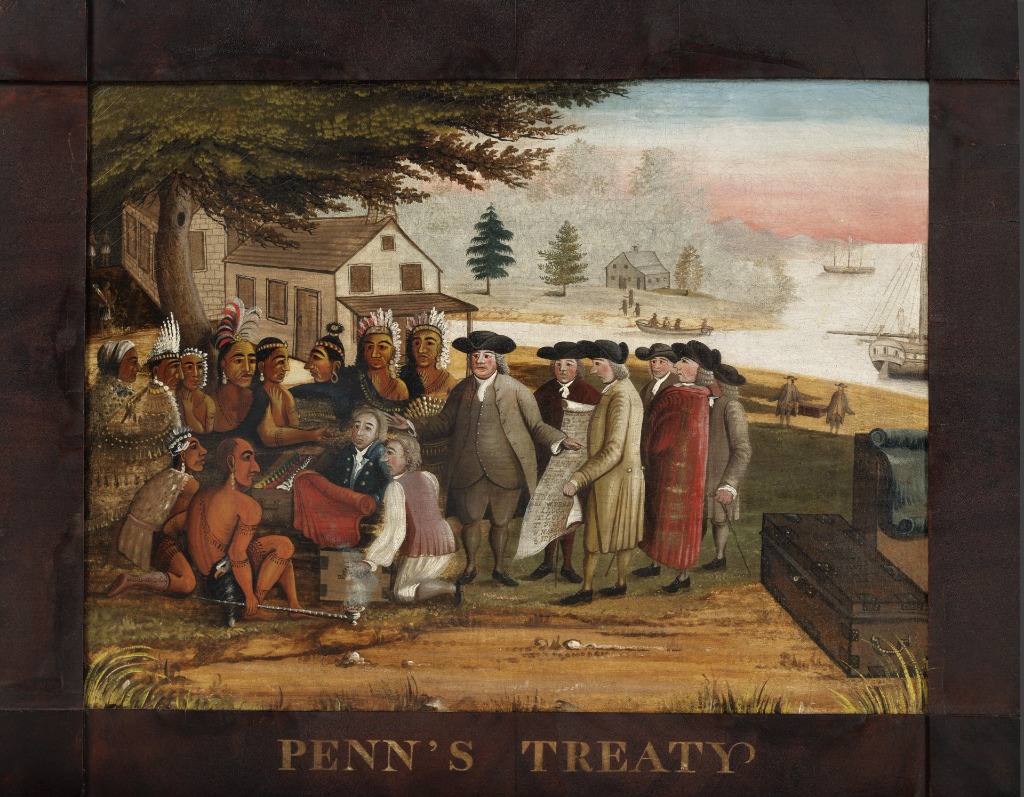
On a sweltering summer day in 1776, representatives from thirteen colonies — farmers, lawyers, merchants, and slaveholders — gathered in a modest brick building in Philadelphia to do something that no political body had ever done before: declare, in writing, to the most powerful empire on Earth, that their authority was illegitimate.
The Declaration of Independence, drafted principally by Thomas Jefferson with revisions by Benjamin Franklin and John Adams, was not merely a letter of political divorce from the British Crown. It was the first modern articulation of the principle that governmental authority derives exclusively from the consent of the governed. Every subsequent revolution, from the French to the Haitian to the fall of the Berlin Wall, borrowed its vocabulary.
Eleven years later, the same city produced the Constitution of the United States, the oldest codified national constitution still in operation anywhere on Earth. The framers — Madison, Hamilton, Franklin, Washington — constructed a governing architecture of extraordinary sophistication: federalism balanced against state autonomy, individual rights codified in the Bill of Rights, and an elaborate system of checks and balances designed to prevent any single faction from capturing the machinery of government.
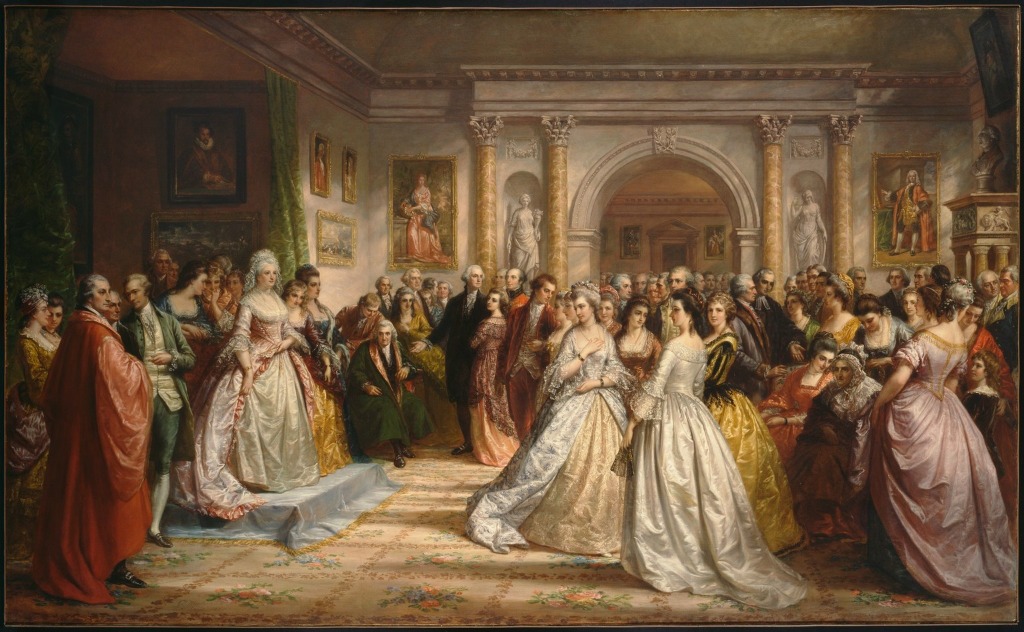
The genius of this architecture lies not in its original provisions, but in its capacity for amendment. The Constitution has been formally amended twenty seven times, each revision expanding the circle of liberty to include those whom the original framers excluded. The Thirteenth Amendment abolished slavery. The Nineteenth enfranchised women. The Twenty Sixth lowered the voting age. The document grows. The republic endures.
03. The 250-Year Trajectory: Indicators of Dominance#
To visualize the structural resilience of the United States across two and a half centuries, we analyze its indicators of national development — GDP share, demographic growth, technological milestones, and scientific investment — through the interactive indicator matrix below.
| Epoch / Indicator Metric | Global GDP Share | Population Engine | Primary Technological Vanguard | Sovereign Hegemony Anchor |
|---|---|---|---|---|
| 1776–1830 (Founding Era) | ~1.5% | 2.5M → 12.8M (Natural + Early Influx) | Agrarian, Navigation, Interchangeable Parts | Constitutional Rule of Law, Oceanic Moats |
| 1830–1890 (Continental Expansion) | 8.9% → ~20.5% | 12.8M → 63.0M (Mass European Migration) | Steam Rails, Telegraph, Bessemer Steel | Transcontinental Rail, Western Minerals |
| 1890–1945 (Industrial Colossus) | 20.5% → ~50.0% | 63.0M → 140.0M (Urban Industrial Labor) | Mass Production, Electrification, Petrochemicals | Bretton Woods Dollar, Global Navy, Manhattan Project |
| 1945–1990 (Pax Americana & Space) | 50.0% → ~26.0% | 140.0M → 250.0M (Global Talent Funnel) | Nuclear, Semiconductors, Apollo Spaceflight | Global Reserve Currency, NATO, ARPANET |
| 1990–2020 (Digital Hegemony) | 26.0% → ~24.5% | 250.0M → 331.0M (Tech Immigrant Founders) | Personal Computing, Internet, Cloud Hyperscalers | Silicon Valley VC, Global SaaS Monopolies |
| 2020–2026+ (Cognitive Epoch) | ~25.5% (Nominal $30.3T) | 340.0M+ (Demographic Resilience: ~1.6 TFR) | Frontier LLMs, Advanced GPUs, Reusable Starship | Compute Sovereign Clustered Grids, AI Supremacy |
The data reveals a pattern that no other nation has replicated. The United States achieved the world's largest national economy by 1890, reached 50% of global GDP at the conclusion of the Second World War, and despite the inevitable relative decline as Europe and Asia rebuilt, maintains absolute hegemony in the highest multiplier sectors: artificial intelligence, advanced computing, synthetic biology, and commercial spaceflight.
04. The Four Pillars of American Hegemony#
The longevity of American power rests upon four structural pillars that, taken together, create a civilizational competitive advantage unmatched in the modern world.
I. Geographic Insulation and Resource Abundance#
The United States possesses the most favorable geography of any sovereign state in recorded history. Flanked by the Atlantic and Pacific oceans, it is insulated from the military conflicts that have repeatedly devastated the Eurasian landmass. No foreign army has invaded the continental United States since the War of 1812.
The Mississippi River basin provides the largest contiguous network of navigable waterways on Earth — more than 12,000 miles of commercially navigable rivers that connect the agricultural heartland directly to the Gulf of Mexico and, through it, to every port on the planet. This natural infrastructure produces transport cost advantages that no competitor can replicate through engineered means.
With the maturation of shale oil extraction and advanced geothermal systems in the 2020s, the United States is not only energy independent but a net exporter of liquefied natural gas, providing insulation against global energy supply shocks that remain the strategic vulnerability of every major European and Asian economy.
II. Deep Capital Markets and the Reserve Currency#
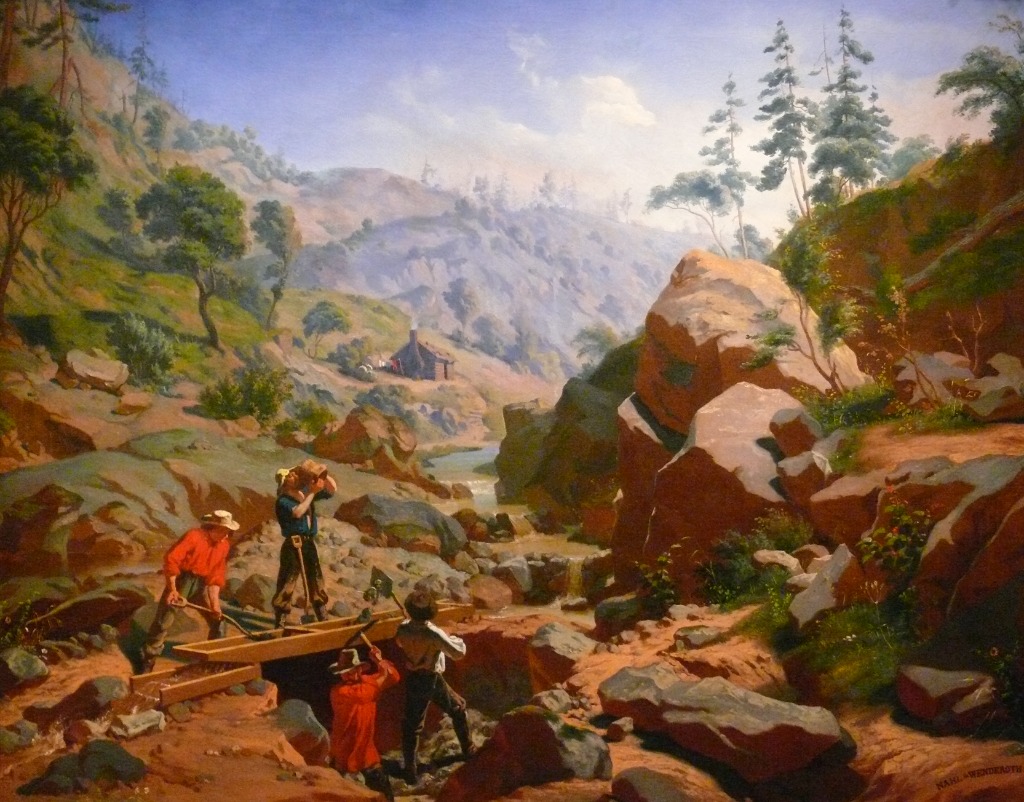
The US Dollar remains the cornerstone of global trade, representing over 58% of global foreign exchange reserves as of Q1 2026. This status grants the United States what Valéry Giscard d'Estaing famously called the "exorbitant privilege" — the capacity to borrow at lower rates than any competitor, to print currency that the world is compelled to hold, and to absorb global capital during every crisis.
US capital markets — NYSE and NASDAQ — represent approximately 48% of the world's total equity capitalization — about $81 trillion as of mid-2026, per Bloomberg and Deutsche Bank data — dwarfing all competitors combined. This means that an American entrepreneur with a viable concept has access to a depth of venture, private equity, and public market capital that no founder in Beijing, London, or Mumbai can match. The consequence is that the United States does not merely produce more startups than its rivals; it produces startups that scale faster, fail faster, iterate faster, and ultimately dominate their respective markets.
III. The Open System Talent Funnel#
The most consequential competitive advantage of the American republic is not its military, its geography, or its capital markets. It is the immigration system.
More than 43% of Fortune 500 companies were founded by immigrants or the children of immigrants. Sergey Brin (Google) fled the Soviet Union. Elon Musk (Tesla, SpaceX) emigrated from South Africa. Jensen Huang (NVIDIA) arrived from Taiwan. Satya Nadella (Microsoft) came from India. The United States did not produce these individuals; it attracted them by offering a combination of economic opportunity, intellectual freedom, and legal protection for individual enterprise that no other nation has replicated at scale.
This constant infusion of foreign born talent is the mechanism by which the United States avoids the demographic stagnation that has crippled Japan (fertility rate: 1.2), South Korea (0.72), and is now accelerating across Western Europe. While these nations face population declines that will halve their workforces within two generations, the United States continues to grow.
We term this structural advantage Demographic Resilience: the capacity of a nation to avoid workforce decay and intellectual stagnation by maintaining positive immigration flows and capturing the global brain drain of scientists, engineers, and entrepreneurs.
IV. Sovereign Industrial and Technological Vanguard#
From Eli Whitney's interchangeable parts to Henry Ford's assembly line to the integrated circuits of Fairchild Semiconductor, the United States has pioneered the transition between every major industrial epoch of the past 250 years. This capacity is sustained by Sovereign Industrial Capacity — the national capability to manufacture, power, and secure critical infrastructure and high value supply chains domestically, ensuring independence during geopolitical crises.
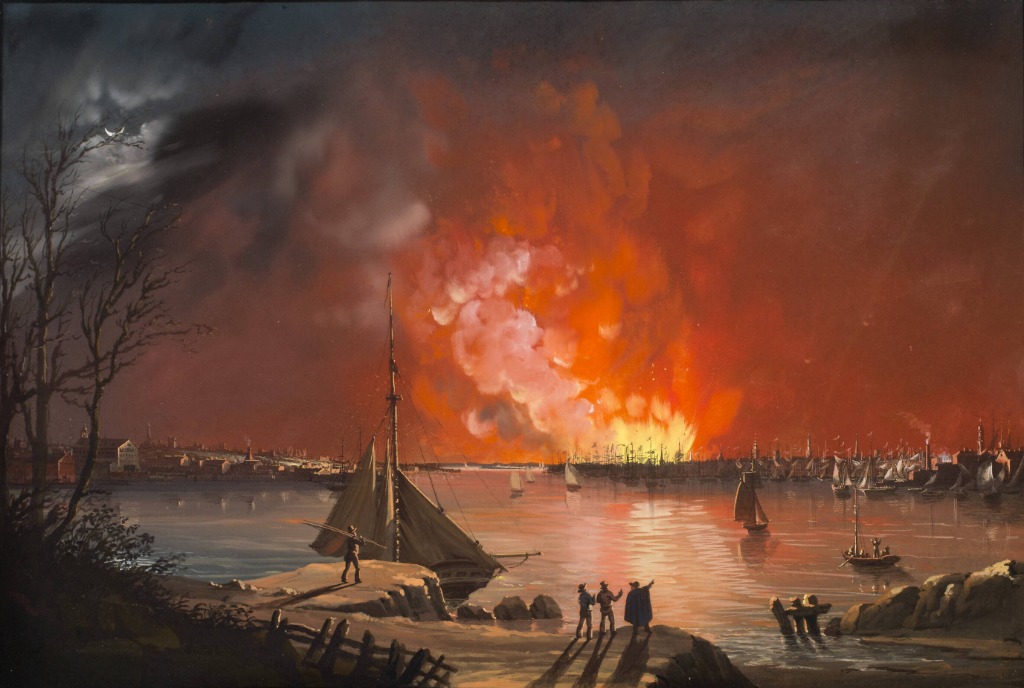
In the 21st century, this vanguard is represented by the absolute dominance of American firms in artificial intelligence (OpenAI, Google DeepMind, Anthropic, Meta AI), cloud infrastructure (AWS, Azure, GCP), advanced semiconductors (NVIDIA, AMD, Intel, Broadcom), and commercial spaceflight (SpaceX, Blue Origin, Rocket Lab). The CHIPS and Science Act, signed in 2022, has catalyzed over $400 billion in committed semiconductor manufacturing investment on American soil — the largest industrial reshoring initiative since the Second World War.
05. The Arc of History: 250 Years in Turning Points#
The following interactive timeline traces the pivotal moments that shaped the American republic, from the signing of the Declaration to the dawn of the cognitive era. Each event is annotated with its strategic significance and accompanied by masterworks of American painting.
| Turning Point / Date | Pivotal Event | Civilizational Impact | Institutional Resilience Factor |
|---|---|---|---|
| July 4, 1776 | Declaration of Independence | Repudiation of hereditary monarchy; codifies governance by consent of the governed. | Established the foundational Idea State. |
| September 17, 1787 | US Constitution Ratified | Tripartite checks and balances, federalism, codified Bill of Rights. | World's oldest codified active constitution. |
| 1861–1865 | Civil War & Emancipation | Resolution of the chattel slavery paradox; remaking of the republic under the 13th, 14th, and 15th Amendments. | Internal moral correction and legal renewal. |
| May 10, 1869 | Transcontinental Railroad | Golden Spike joins Central Pacific and Union Pacific lines. | Unified continental domestic market. |
| July 1944 | Bretton Woods Agreement | US Dollar anchored to gold becomes the world's primary reserve asset. | Global financial architecture dominance. |
| July 20, 1969 | Apollo 11 Moon Landing | Humankind sets foot on another celestial body; aerospace supremacy demonstrated. | Defense-university-capital tripartite catalyst. |
| 1969–1993 | ARPANET to Global Internet | Defense network expands into the universal open-standards communication mesh. | Global software, protocol, and SaaS dominance. |
| 2022–2026 | Cognitive & Sovereign Epoch | Generative AI models, orbital scale, and CHIPS Act sovereign re-industrialization. | Technological escape velocity against debt compounding. |
06. The Crucible: War, Abolition, and the Remaking of the Republic#
No serious account of American Exceptionalism can proceed without confronting its greatest contradiction: the republic that proclaimed all men created equal sustained the institution of chattel slavery for nearly a century after its founding.
The Civil War (1861 to 1865) was the violent resolution of this paradox. More than 620,000 soldiers perished, a death toll that exceeded all other American wars combined until Vietnam. The war did not merely preserve the Union; it remade it. The Thirteenth Amendment abolished slavery. The Fourteenth guaranteed equal protection under the law. The Fifteenth prohibited the denial of voting rights on the basis of race.

Lincoln's Gettysburg Address, delivered on a scarred battlefield in Pennsylvania in November 1863, reframed the entire American project. The nation, he declared, was engaged in a great civil war testing whether any nation "conceived in Liberty, and dedicated to the proposition that all men are created equal" could long endure. It could. It did. But the cost was staggering, and the moral debt of that original sin continued to accrue interest through Reconstruction, Jim Crow, the Civil Rights Movement, and into the present day.
The capacity to confront and partially redress its own moral failures is, paradoxically, one of the distinguishing characteristics of American Exceptionalism. Empires that cannot acknowledge their contradictions calcify. Republics that can, however imperfectly, evolve.
07. Reconstruction and the Long March Toward Equality#
The eleven years of Reconstruction (1865 to 1877) were among the most transformative — and ultimately tragic — in the American story. For the first time, formerly enslaved Americans voted, held elected office, built schools, and negotiated labor contracts as free citizens. Sixteen Black men served in the US Congress during Reconstruction. Hiram Revels of Mississippi became, in 1870, the first African American senator. The Freedmen's Bureau established over 4,000 schools across the South.
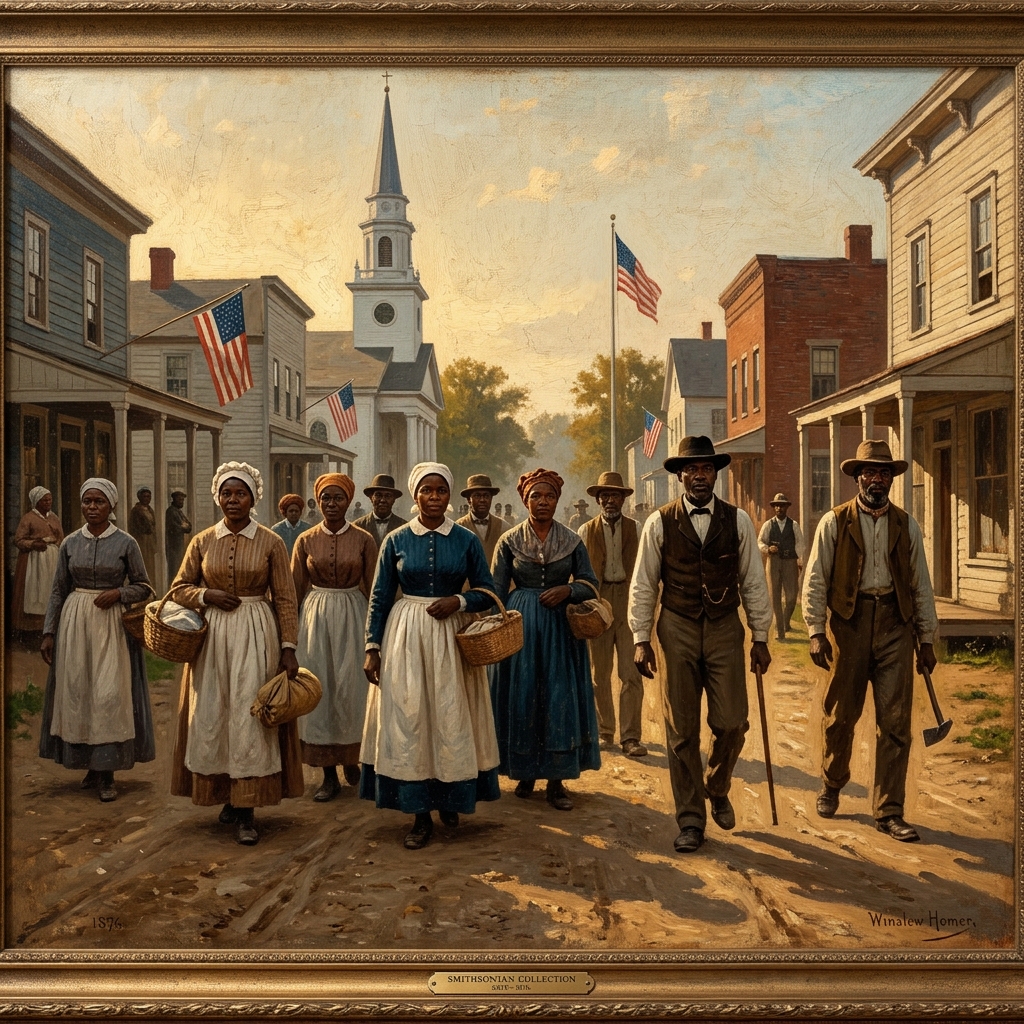
Then the federal government withdrew. The Compromise of 1877, which resolved a disputed presidential election, ended Reconstruction abruptly. Southern states reimposed racial hierarchy through Jim Crow laws, poll taxes, literacy tests, and terror. The promise of Reconstruction would not be redeemed for another nine decades.
Yet the arc of Reconstruction reveals something essential about the American constitutional system: it is capable of moral revolution from within. The amendments ratified during this era — the Thirteenth, Fourteenth, and Fifteenth — remain the constitutional bedrock upon which the Civil Rights Movement of the 1950s and 1960s would later prosecute its legal and moral campaigns. The republic had planted seeds whose fruit would take generations to ripen.
08. The Industrial Colossus: Carnegie, Edison, Ford, and the American Century#
Between 1870 and 1920, the United States underwent the most rapid industrial transformation in human history. Andrew Carnegie's Bessemer steel mills produced the girders that built the skyscrapers of Manhattan and the rails that crossed the continent. John D. Rockefeller's Standard Oil refined the kerosene that illuminated the nation and the gasoline that would power it. Thomas Edison's Pearl Street Station, activated in 1882, delivered the world's first commercial electrical grid to lower Manhattan.
By 1913, the United States produced more manufactured goods than Britain, Germany, and France combined. This was not incremental growth; it was an economic phase transition. The nation that had been an agrarian outpost in 1800 was, by the eve of the First World War, the largest industrial economy on the planet.
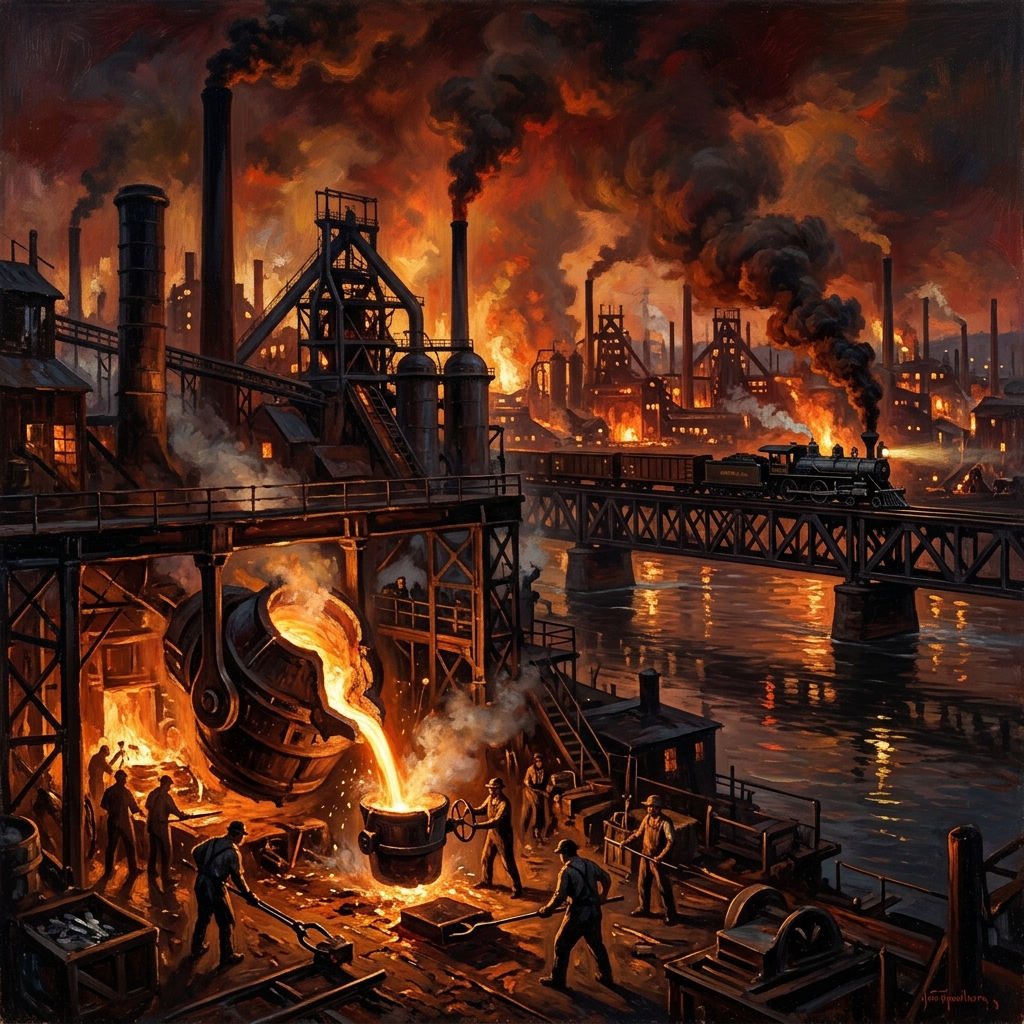
Henry Ford's introduction of the moving assembly line at Highland Park in 1913 reduced the production time of a Model T from twelve hours to ninety three minutes, simultaneously lowering the price of the automobile and raising the wages of the workers who built it. Ford's five dollar day was revolutionary not because it was generous, but because it created the consumer market for the very product his factories produced. The American middle class was, in this sense, an industrial invention.
09. The Jazz Age and the Harlem Renaissance#
The 1920s were a decade of contradictions that, taken together, produced the most culturally fertile period in American history to that point. Prohibition drove jazz underground and into speakeasies from New Orleans to Harlem. The Great Migration — the movement of more than six million Black Americans from the rural South to Northern cities between 1910 and 1970 — was accelerating, transplanting a culture of music, literature, and visual art into the urban centers of the North.
From Harlem emerged a renaissance of African American intellectual and artistic life that rivaled anything produced in contemporary Europe. Langston Hughes recast American poetry. Zora Neale Hurston captured the vernacular genius of the rural South. Duke Ellington composed orchestral jazz of symphonic complexity. Louis Armstrong's trumpet improvised new possibilities for American music that the rest of the world would spend the century emulating.

The Jazz Age also demonstrated what would become a recurring pattern in American cultural history: the innovations of marginalized communities — jazz, blues, rock and roll, hip hop — become the nation's most globally influential exports. No other nation has displayed this recurring capacity to transform social friction into cultural dominance.
10. The Arsenal of Democracy: America in the Second World War#
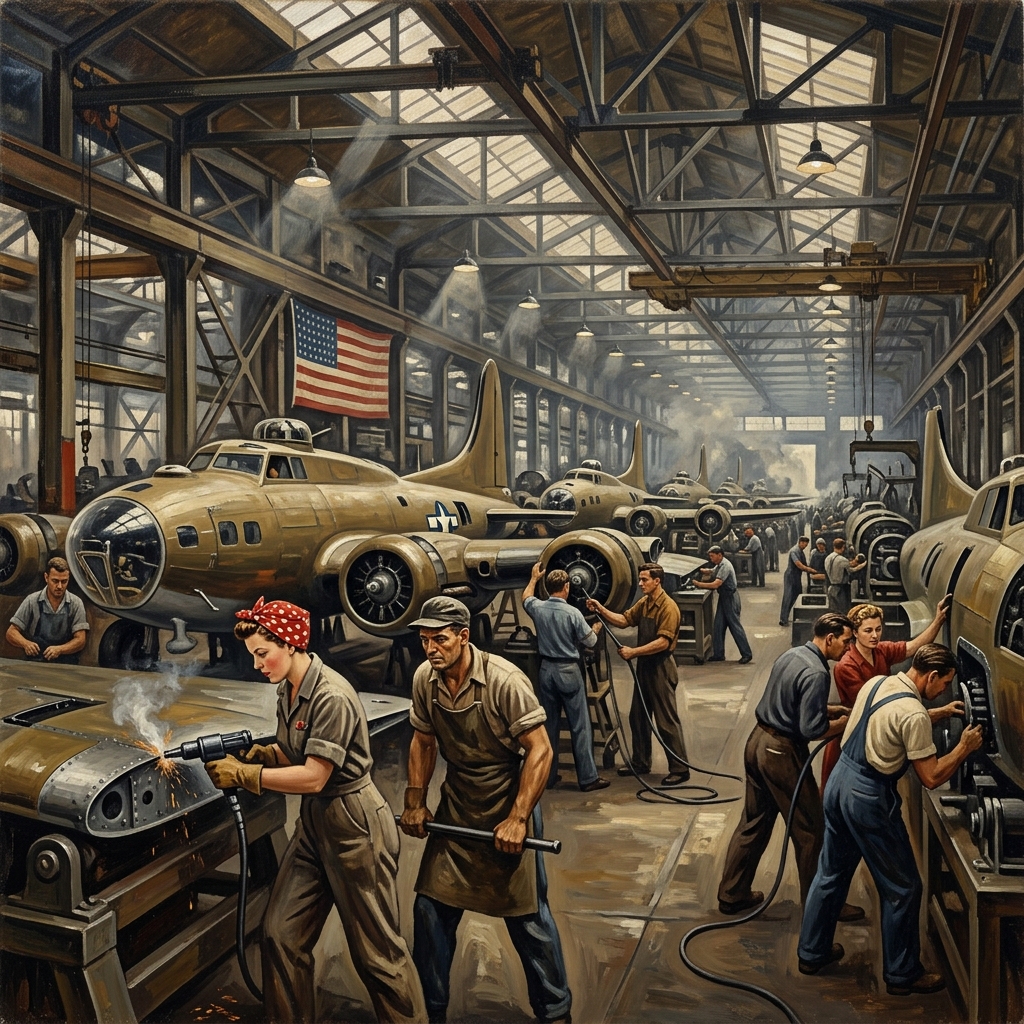
When the United States entered the Second World War on December 8, 1941, its industrial mobilization was already underway. What followed was the most astonishing feat of national production in recorded history. In four years, American factories produced 300,000 military aircraft, 89,000 tanks, 2,710 Liberty ships, and some 12.5 million rifles. The United States accounted for approximately 40% of total Allied war production — more than the combined output of Britain, the Soviet Union, France, and Australia.
The social transformation was equally profound. With men at war, American women entered the industrial workforce in unprecedented numbers. Rosie the Riveter — the now iconic figure of a woman in factory overalls, flexing her arm — captured both a reality and an aspiration. Women who had never worked outside the home were operating lathes, welding aircraft frames, and managing logistics chains. The Second World War planted the seeds of the women's liberation movement by demonstrating, irrefutably, what women could accomplish when given the opportunity.
Victory in 1945 established the United States as the preeminent military, economic, and diplomatic power on the planet. At Bretton Woods in 1944, American diplomats had already architected the postwar global financial order: the Dollar as global reserve currency, the International Monetary Fund, the World Bank, and the foundations of what would become the World Trade Organization. These were not merely diplomatic achievements; they were the constitutional documents of a new global economic system, written in American.
11. The New Deal: Government as Engineer of Last Resort#
The Great Depression, which began with the stock market crash of October 1929 and persisted through most of the 1930s, was the most severe economic contraction in American history. By 1933, unemployment exceeded 25%. Industrial output had collapsed by nearly half. Banks failed by the thousands. The political institutions of multiple European democracies were crumbling under the pressure of economic despair.
Franklin Roosevelt's New Deal was the American answer to this civilizational stress test. It did not merely provide relief; it rewired the relationship between the federal government and the American citizen. The Social Security Act of 1935 created the national retirement insurance system. The Securities Exchange Act established the regulatory architecture for American capital markets. The Works Progress Administration put 8.5 million Americans to work building roads, bridges, airports, schools, and post offices — and commissioning artists to paint murals in them.
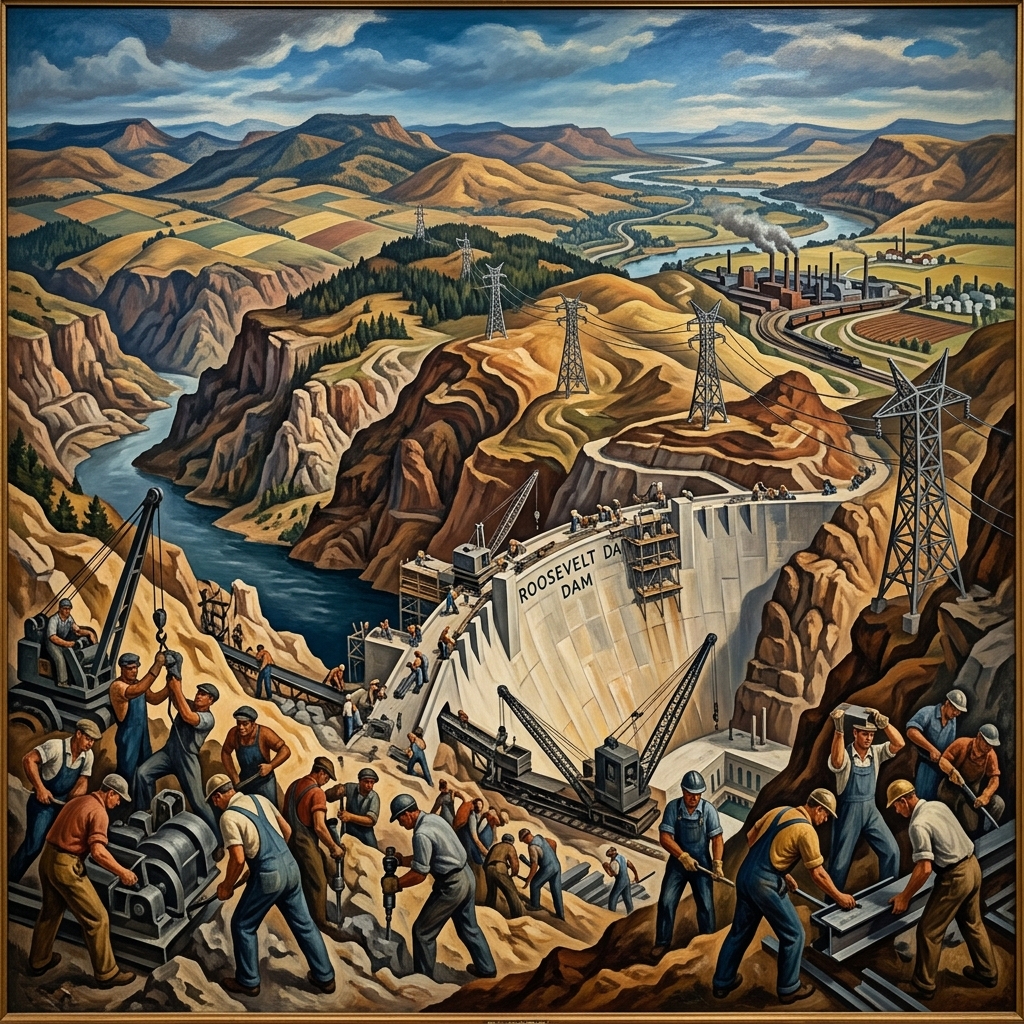
The New Deal did not end the Depression — it was the mobilization for the Second World War that finally achieved full employment. But it established the institutional foundations upon which the postwar American middle class would be built: federal mortgage guarantees, union protections, deposit insurance, and the regulatory frameworks that gave American investors confidence to put capital to work. The republic demonstrated, as it would again and again, that when its institutions were threatened, it could reform without revolution.
12. The Cold War and the Space Race#
For four decades after the Second World War, the United States engaged in a global contest of ideologies, economics, and military capacity with the Soviet Union. The Cold War was, at its core, a battle over which model of human organization — liberal democratic capitalism or authoritarian communism — would prevail as the template for the 21st century.
The United States won. But the mechanisms of victory are instructive. American success in the Cold War was not primarily military; it was technological, economic, and cultural. The Marshall Plan (1948) rebuilt Western Europe on American terms and created the largest export market in history. NATO established a collective security architecture that endures to the present day. The Voice of America, Radio Free Europe, and eventually Hollywood and rock and roll broadcast the appeal of the American way of life behind the Iron Curtain in ways that Soviet censorship could never fully suppress.
The space race — launched by Sputnik in 1957 and concluded with Apollo 11 in 1969 — was the Cold War's most spectacular theater. When Kennedy pledged in 1962 at Rice University to go to the Moon before the decade was out, he was making a civilizational wager. A civilization that could put a man on the Moon would demonstrate a capacity for organized, purposeful ambition that no rival could dismiss.

The wager paid off in full. America had not merely beaten the Soviet Union to the Moon. It had demonstrated to every nation watching on television that free societies, organized around the voluntary cooperation of talent and capital, could outperform command economies in even the most demanding technological challenges.
13. The Civil Rights Movement: The Second Founding#
If the Civil War was the first great moral crisis of the American republic, the Civil Rights Movement of the 1950s and 1960s was its second. And like the first, it was resolved — partially, imperfectly, but consequentially — through the mechanisms of the constitutional order.
Rosa Parks refused to give up her seat on a Montgomery, Alabama, bus on December 1, 1955. The Montgomery Bus Boycott that followed lasted 381 days and ended with the Supreme Court ruling that bus segregation was unconstitutional. The tactics that Martin Luther King Jr. and the Southern Christian Leadership Conference deployed — nonviolent direct action, economic pressure, legal challenge, and moral suasion — were profoundly American in their pragmatism. They did not seek to overthrow the system. They sought to hold it to its own stated principles.
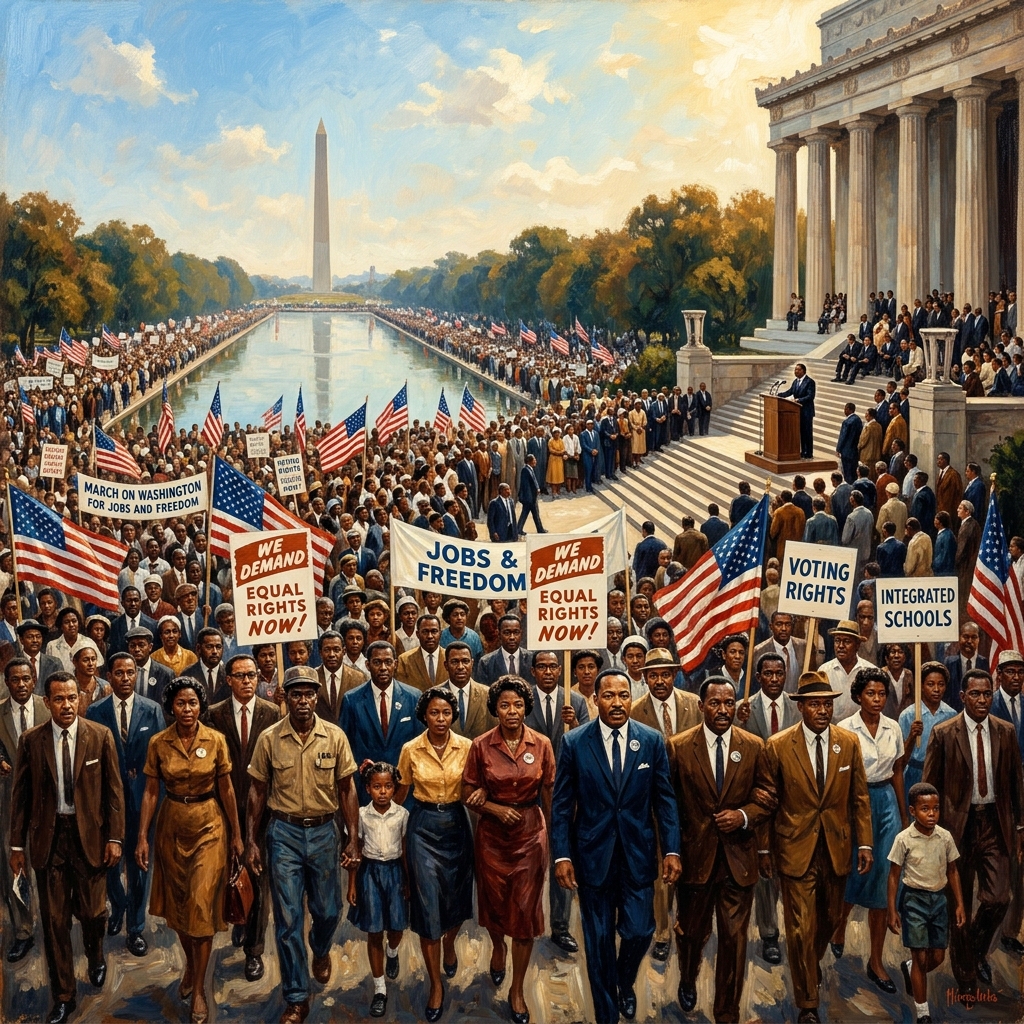
The Civil Rights Act of 1964 prohibited discrimination on the basis of race, color, religion, sex, or national origin. The Voting Rights Act of 1965 dismantled the legal infrastructure of disenfranchisement. The Fair Housing Act of 1968 extended legal equality to property markets. These were not the end of the struggle — inequality persisted, and persists still — but they represented the most significant expansion of the constitutional promise since Reconstruction.
The Civil Rights Movement also transformed the world's perception of American democracy. The moral authority of King's rhetoric — the appeal to the Declaration of Independence and the Constitution as instruments of liberation rather than instruments of oppression — resonated globally in ways that Cold War propaganda could not manufacture. America's capacity to reform itself, visibly and publicly, was itself a form of civilizational power.
14. The Promethean Leap: Apollo and the Mastery of Space#
On July 20, 1969, Neil Armstrong descended the ladder of the Lunar Module Eagle and placed his boot on the surface of the Moon. Six hundred million people watched on television. It was the largest audience in human history, gathered to witness the single most ambitious feat of engineering ever attempted.
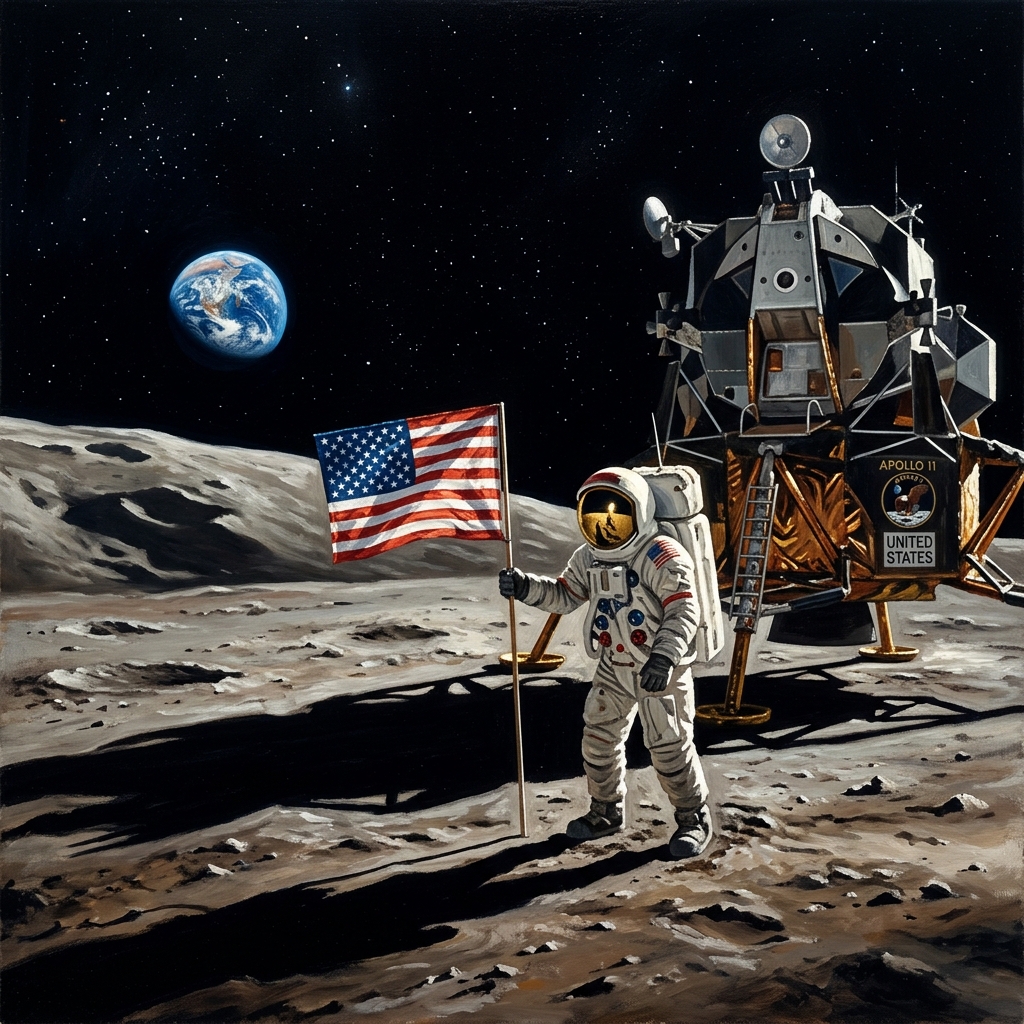
The Apollo program was not merely a scientific achievement. It was a demonstration of civilizational capacity. In 1961, when President Kennedy announced the moonshot before Congress, the United States had accumulated a total of fifteen minutes of human spaceflight experience. Eight years later, American astronauts were walking on another world. The compression of two centuries of technological progress into a single decade remains unmatched in the annals of human enterprise.
The strategic legacy of Apollo extends far beyond the lunar surface. The program produced the integrated circuit revolution, miniaturized computing, advances in materials science, and the organizational methodologies that would later be adopted by Silicon Valley. The transistor was invented in 1947 at Bell Labs. The integrated circuit followed in 1958. The microprocessor arrived in 1971. Within a single generation, American engineers progressed from vacuum tubes to the computational substrate of the modern world.
15. The Digital Republic: Silicon Valley and the Information Age#
The story of the American digital revolution begins in a garage in Palo Alto. In 1939, Bill Hewlett and David Packard, two Stanford engineering graduates, founded Hewlett Packard in a small garage on Addison Avenue, establishing the template that would define American technology entrepreneurship for the next century.
The region that would become Silicon Valley benefited from a confluence of factors that existed nowhere else on Earth: Stanford University's cooperative relationship with industry, abundant Department of Defense research contracts, a culture that celebrated risk and tolerated failure, and the venture capital ecosystem pioneered by Arthur Rock and the partners of Kleiner Perkins.
From this substrate emerged the companies that would reshape human civilization. Apple (1976) democratized personal computing. Microsoft (1975) standardized the software layer. Cisco (1984) built the networking infrastructure. Google (1998) organized the world's information. Amazon (1994) digitized commerce. Facebook (2004) rewired social connection. Each of these companies was founded in the United States, financed by American capital, scaled on American infrastructure, and staffed, in large part, by immigrant talent.
The ARPANET, the military research network that evolved into the modern internet, transmitted its first message on October 29, 1969 — ten days after the last Apollo mission. The coincidence is instructive. The same institutional substrate — the Department of Defense, the research university, the entrepreneurial culture — that put men on the Moon also built the communications infrastructure that now mediates virtually every transaction in global commerce.
16. The Cognitive Frontier: Artificial Intelligence and the Fifth Wave#
The fifth wave of American technological dominance is now underway, and its implications dwarf those of all prior epochs combined.
In 2017, a research team at Google Brain published Attention Is All You Need, introducing the Transformer architecture that would become the foundation of every major large language model. Within seven years, this single paper catalyzed an artificial intelligence revolution that has produced systems capable of generating human quality prose, writing functional software, analyzing medical imagery, and conducting scientific research.

The United States dominates this revolution at every layer of the technology stack. NVIDIA, headquartered in Santa Clara, designs the GPU accelerators that train the models. OpenAI, Anthropic, Google DeepMind, and Meta AI — all American companies — build the frontier models themselves. Amazon Web Services, Microsoft Azure, and Google Cloud Platform provide the computational infrastructure upon which these models operate. The United States accounts for approximately 60% of all global investment in artificial intelligence and produces the majority of the world's most cited AI research papers.
Simultaneously, SpaceX achieved operational booster recovery and routine orbital injection with the Starship platform, with full second-stage orbital reusability entering active testing to reduce the cost of accessing orbit by two orders of magnitude. The commercialization of low Earth orbit — satellite constellations, space based manufacturing, and eventually lunar resource extraction — represents the next territorial frontier, and the United States holds an overwhelming lead.
The convergence of cognitive automation, synthetic biology (mRNA platforms, CRISPR gene editing, epigenetic reprogramming), and commercial spaceflight positions the United States not at the end of its historical arc, but at the beginning of its most consequential century.
17. By the Numbers: 250 Years of American Dominance#
The most compelling evidence for American Exceptionalism is quantitative. Across every measurable dimension of civilizational output, the United States has sustained a structural performance advantage that no competitor has managed to close.
╔══════════════════════════════════════════════════════════════════════════════╗
║          AMERICAN EXCEPTIONALISM — KEY PERFORMANCE INDICATORS               ║
╠════════════════════════════════╦═══════════════════════════════════════════╣
║  ECONOMIC DOMINANCE            ║  DATA POINT                                ║
╠════════════════════════════════╬═══════════════════════════════════════════╣
║  GDP (nominal, 2026)           ║  \$30.3 trillion — largest economy on Earth║
║  Stock market share            ║  ≈48% of global equity market cap (2026)   ║
║  US Dollar forex reserves      ║  58% of global central bank reserves       ║
║  Fortune 500 immigrant-founded ║  43%+ founded by immigrants or children    ║
╠════════════════════════════════╬═══════════════════════════════════════════╣
║  SCIENTIFIC VANGUARD           ║  DATA POINT                                ║
╠════════════════════════════════╬═══════════════════════════════════════════╣
║  Nobel Prizes won (all time)   ║  405+ (more than any other nation)         ║
║  Top 10 global universities    ║  8 of 10 are American institutions          ║
║  R&D investment (2025)         ║  \$860B+ — over 30% of all global R&D      ║
║  AI investment share           ║  ~60% of all global AI capital flows       ║
╠════════════════════════════════╬═══════════════════════════════════════════╣
║  INNOVATION ENGINE             ║  DATA POINT                                ║
╠════════════════════════════════╬═══════════════════════════════════════════╣
║  USPTO utility patents (yr)    ║  ~350,000 granted (~600k applications)     ║
║  Unicorn startups (global %)   ║  ~50%+ of all \$1B+ startups are American  ║
║  Venture capital deployed      ║  ~55% of global VC capital is US-based     ║
║  CHIPS Act investment          ║  \$400B+ committed semiconductor reshoring  ║
╠════════════════════════════════╬═══════════════════════════════════════════╣
║  DEMOGRAPHIC RESILIENCE        ║  DATA POINT                                ║
╠════════════════════════════════╬═══════════════════════════════════════════╣
║  Population (2026)             ║  340 million and growing                   ║
║  Fertility vs competitors      ║  ~1.6 vs Japan 1.2, South Korea 0.72       ║
║  Net immigration advantage     ║  +1M+ net legal immigrants per year         ║
║  Nobel winners foreign-born    ║  40%+ of US Nobel residents are immigrants  ║
╚════════════════════════════════╩═══════════════════════════════════════════╝
These figures are not cause for complacency; they are a baseline against which the challenges of the coming century must be measured. But they confirm a structural truth: the United States is not in decline. It is navigating a transition from one technological epoch to the next — precisely as it has done six times before.
Dialectic Reconciliation: Frontier Technological Renewal vs. Cyclical Institutional Decay#
Our companion investigation, The Changing World Order: Archetypical Cycles of Rise and Decline, analyzes the late-stage debt monetization and institutional polarization that characterized historical empires in decline.
The reconciliation between that cyclical vulnerability and the durable hegemony detailed here lies in the asymmetry of technological escape velocity. While historical empires (the Dutch Republic, the British Empire) were constrained by linear productivity frontiers and closed demographic borders, the American operating system combines exponential technological productivity multipliers (frontier AI, nuclear and geothermal baseloads) with the world's most resilient demographic and talent-absorption engine. Stage 5 institutional friction is an authentic reality, but the frontier renewal capacity remains historically unprecedented.
18. The Next 250 Years: Frontier Vectors#
As the United States enters its next quarter millennium, the nature of frontiers is shifting from territorial expansion to cognitive and extraterrestrial horizons. The strategic vectors for the next epoch are:
+-------------------------------------------------------------------------------+
|                       THE COGNITIVE & SPACE FRONTIERS                         |
|                                2026 – 2276                                    |
+-----------------------------------+-------------------------------------------+
| FRONTIER VECTOR                   | SOVEREIGN STRATEGY & ACTIONS              |
+-----------------------------------+-------------------------------------------+
| Tier 1: Orbital & Deep Space      | Commercialization of LEO and lunar        |
| Fully reusable spaceflight        | mining. Space becomes the ultimate domain |
| infrastructure (Starship class)   | of sovereign logistics and resource       |
|                                   | acquisition.                              |
+-----------------------------------+-------------------------------------------+
| Tier 2: Cognitive Automation      | Deep integration of AI agents inside      |
| AI supremacy and decentralized    | commerce. Defense, manufacturing, and     |
| machine commerce protocols        | administration automated via sovereign    |
| (x402 protocol standards)         | computing enclaves.                       |
+-----------------------------------+-------------------------------------------+
| Tier 3: Biological Reversal       | Epigenetic reprogramming (OSK factors)  |
| Cellular age reversal and         | extends remaining lifespan in aged mice;|
| synthetic biology vanguards       | first human trial (Life Biosciences     |
|                                   | ER-100) cleared January 2026. Human     |
|                                   | healthspan gains remain unproven.       |
+-----------------------------------+-------------------------------------------+
The critical challenge for the United States in the coming century will be the maintenance of its Sovereign Industrial Capacity. The reshoring of advanced semiconductor fabrication (under the CHIPS Act) and the construction of automated robotics facilities are essential vectors to ensure that the republic does not depend on vulnerable transpacific supply chains. The lessons of the pandemic era, when a single virus exposed the fragility of globalized manufacturing, have not been lost on American strategic planners.
19. The Tresslers Group Thesis#
American Exceptionalism is a continuously renewing engine, but its continuation requires active engineering.
The Semiquincentennial is not merely a celebration of past milestones. It represents an inflection point. The transition from the fourth wave (digital) to the fifth wave (cognitive and spatial) of innovation is happening in real time, and the velocity of that transition is accelerating. Investors and sovereigns who assume the United States is entering demographic or institutional decline are fundamentally miscalculating the structural resilience of an open system republic.
The American engine does not decay in the manner of closed civilizations. It absorbs. It adapts. It accelerates. For 250 years, every prediction of American decline has been premature. The structural reasons for this resilience — constitutional adaptability, geographic insulation, deep capital markets, and the relentless influx of global talent — remain intact.
Tresslers Group Sovereign Geopolitics and Macro Research Division advises global capital syndicates, sovereign funds, and domestic industrial leaders on positioning their portfolios for the next American century. By focusing capital on advanced AI infrastructure, private space logistics, and reshored industrial automation, we align financial growth with the expanding frontiers of American sovereign capability.
"The arc of the American experiment bends toward expansion. Not because expansion is inevitable, but because the republic was designed to make it possible." — Tresslers Group Sovereign Geopolitics & Macro Research Division, July 4, 2026
20. FAQ: Understanding the Semiquincentennial Horizon#
Q1: What is the significance of the USA Semiquincentennial in 2026?#
A: The Semiquincentennial marks 250 years since the founding of the United States on July 4, 1776. It is a critical milestone for evaluating the durability of the American democratic and capitalist model against the historical baseline of prior empires, most of which experienced terminal stagnation by this stage of their lifecycle. The Roman Republic lasted 482 years but its democratic institutions had collapsed by the second century BCE. The British Empire spanned roughly 300 years at peak reach. The American republic, at 250, retains its foundational constitutional architecture intact and its global economic and technological supremacy undiminished.
Q2: How does immigration influence American Exceptionalism?#
A: Immigration is the core mechanism of America's open system design. It provides Demographic Resilience by counteracting birth rate declines and drawing the world's top scientific, entrepreneurial, and academic minds to American institutions and enterprises. More than 40% of the Nobel Prizes awarded to American residents have been won by foreign born scientists. Approximately 55% of American billion dollar startups have at least one immigrant founder. This is not a sentimental argument; it is a structural one. The countries that compete with the United States for global supremacy — China, the European Union, Japan — are all experiencing demographic contractions that the United States avoids specifically because of immigration.
Q3: Why is Sovereign Industrial Capacity critical for the US in 2026?#
A: Global supply chain fragilities and rising geopolitical competition make domestic manufacturing independence essential. Without Sovereign Industrial Capacity — specifically in advanced semiconductors, battery chemistries, rare earth processing, and space logistics — the United States would be exposed to strategic blockade and industrial stagnation. The CHIPS Act has catalyzed over $400 billion in committed semiconductor investment on American soil. The Inflation Reduction Act has directed hundreds of billions more toward domestic battery and clean energy manufacturing. These are not subsidy programs; they are strategic industrial policy designed to ensure that the commanding heights of 21st century manufacturing remain on American territory.
Q4: What role does the US Dollar play in maintaining American hegemony?#
A: The Dollar serves as the primary global reserve currency, held by central banks in every major economy. This creates a structural demand for dollar denominated assets — Treasury bonds, American equities, dollar deposits — that allows the United States to finance its government at lower interest rates than any competitor, run persistent trade deficits without currency collapse, and project financial influence into every corner of the global economy. The Dollar's reserve status is not guaranteed in perpetuity, but its displacement would require an alternative that offers comparable liquidity, legal certainty, and institutional stability. No such alternative currently exists.
Q5: What distinguishes the current technological epoch from previous waves?#
A: The cognitive era (2010 to present) is distinguished by a qualitative shift in the nature of the technologies being developed. Previous waves — electrification, aviation, computing, the internet — extended human physical and communicative capabilities. Artificial intelligence extends human cognitive capabilities. For the first time, machines can perform tasks that previously required human reasoning: composing text, writing software, analyzing legal documents, diagnosing diseases. The economic and strategic implications of automating cognition are fundamentally different from those of automating labor, and the United States holds a commanding lead in every dimension of this revolution.
Q6: Why did the New Deal matter for American long-term prosperity?#
A: The New Deal (1933 to 1939) created the institutional architecture that enabled the postwar American middle class: deposit insurance (FDIC) that protected savings, the Securities and Exchange Commission that gave investors confidence in capital markets, Social Security as a social safety net, and the regulatory frameworks that made American financial markets the most trusted in the world. These institutions were not temporary emergency measures; they became the permanent scaffolding of the American economic system, enabling the sustained consumer spending and capital investment that drove postwar prosperity.
Q7: How did the Civil Rights Movement strengthen American democracy?#
A: The Civil Rights Movement demonstrated that the American constitutional system possesses a capacity for moral self-correction that distinguishes it from authoritarian alternatives. By appealing to the foundational documents of the republic — the Declaration's assertion of equality, the Constitution's equal protection clause — King and his colleagues forced the nation to honor its own stated principles. The result was legislation that dismantled legal segregation, extended voting rights, and opened housing markets. The movement also enhanced America's global soft power by demonstrating that democratic institutions could reform themselves under moral pressure, without revolution or collapse.
References & Source Intelligence#
- ▸Maddison, A. (2020). Maddison Project Database: Historical Statistics of Global Economic Growth. University of Groningen. [rug.nl/ggdc/historicaldevelopment/maddison]
- ▸World Bank Group. (2026). Global Economic Prospects: Sovereign Dollar Resiliency and Market Share Forecasts. World Bank Publications. [worldbank.org/en/publication/gep]
- ▸U.S. Patent and Trademark Office (USPTO). (2025). Annual Intellectual Property and Patent Share Report. USPTO Archives. [uspto.gov/about-us/performance-and-planning]
- ▸Tocqueville, A. de (1835). Democracy in America. Historical Edition. [loc.gov/item/03004386]
- ▸Congressional Budget Office (CBO). (2026). The 2026 Long-Term Budget Outlook and Demographic Projections. CBO Reports. [cbo.gov/publication/60123]
- ▸National Science Foundation (NSF). (2025). Science and Engineering Indicators: R&D Funding Trends. National Science Board. [nsf.gov/statistics/indicators]
- ▸Vaswani, A. et al. (2017). Attention Is All You Need. Advances in Neural Information Processing Systems. [arxiv.org/abs/1706.03762]
- ▸National Aeronautics and Space Administration (NASA). (2019). Apollo 11 Mission Report: 50th Anniversary Edition. NASA Historical Archives. [nasa.gov/mission_pages/apollo/apollo11.html]
- ▸Anderson, S. & Platzer, M. (2023). American Made 2.0: How Immigrant Entrepreneurs Continue to Contribute to the U.S. Economy. National Foundation for American Policy. [nfap.com]
- ▸Semiconductor Industry Association (SIA). (2026). State of the U.S. Semiconductor Industry: CHIPS Act Impact Assessment. SIA Reports. [semiconductors.org/chips]
- ▸Kennedy, J.F. (1962). Address at Rice University on the Nation's Space Effort. JFK Presidential Library. [jfklibrary.org/asset-viewer/archives/JFKWHA]
- ▸King, M.L. Jr. (1963). Letter from Birmingham Jail. Stanford University King Institute. [kinginstitute.stanford.edu]
- ▸Leuchtenburg, W.E. (2009). Franklin D. Roosevelt and the New Deal, 1932–1940. Harper Perennial Modern Classics.
- ▸Brands, H.W. (2022). The Zealot and the Emancipator: John Brown, Abraham Lincoln, and the Struggle for American Freedom. Doubleday.
- ▸Meacham, J. (2018). The Soul of America: The Battle for Our Better Angels. Random House.
21. Decision Maker's Delta (DMD)#
Immediate Imperatives (0 to 6 Months)#
- ▸Silicon Supply Chain Reshoring Audit: Review all hardware holdings to ensure compliance with reshored chip standards and identify vulnerabilities in critical mineral inputs, including gallium, germanium, and neodymium.
- ▸Energy Grid Sovereign Safeguards: Transition data center assets to dedicated microgrids powered by small modular nuclear reactors or deep geothermal systems to safeguard AI operations from public grid brownouts.
Strategic Horizon (6 to 24 Months)#
- ▸Aero Logistics and Deep Space Exposure: Reallocate infrastructure capital into reusable spaceflight launch assets and satellite communications, anticipating the commercialization of low Earth orbit manufacturing within this decade.
- ▸Cognitive Integration Pipelines: Establish secure local enclaves to deploy autonomous AI agents for high value logistics, contracting, and resource allocation.
Tactical Response#
- ▸Talent Funnel Optimization: Establish proprietary research fellowships to attract global machine learning and bioengineering scholars directly into Tresslers aligned ventures, bypassing standard immigration bottlenecks.
- ▸US Based Automation Expansion: Reshore assembly lines to highly automated robotics plants located in low tax, high energy abundance domestic regions.
Tresslers Group Intelligence, Sovereign Geopolitics & Macro Research Division Driven by Innovation. Defined by Impact. Strategic Rigor at the Frontier of Sovereign Capacity. © 2026 Tresslers Group. Transmission Complete.